
How to Foster a Dog
A Dog Psychology Approach with Dog Behavior Specialist Ian Grant
Fostering a dog is one of the best things you can do — but it’s not about spoiling them or trying to “fix” everything.
Most foster dogs aren’t difficult… they’re just unsure.
They’ve been taken out of everything familiar, and they’re trying to figure out what’s going on. Your job is to give them some clarity and stability so they can settle in and start to feel safe.
Start Calm

When your foster dog first comes home, it’s tempting to get excited, give a ton of affection, and try to make them feel loved right away.
But what they need first is clarity.
Move a little slower. Keep things low-key. Let them take in the environment without a lot of pressure.
Before a dog can feel happy, they need to feel safe—and calm behavior is what creates that.
Give Them Some Structure
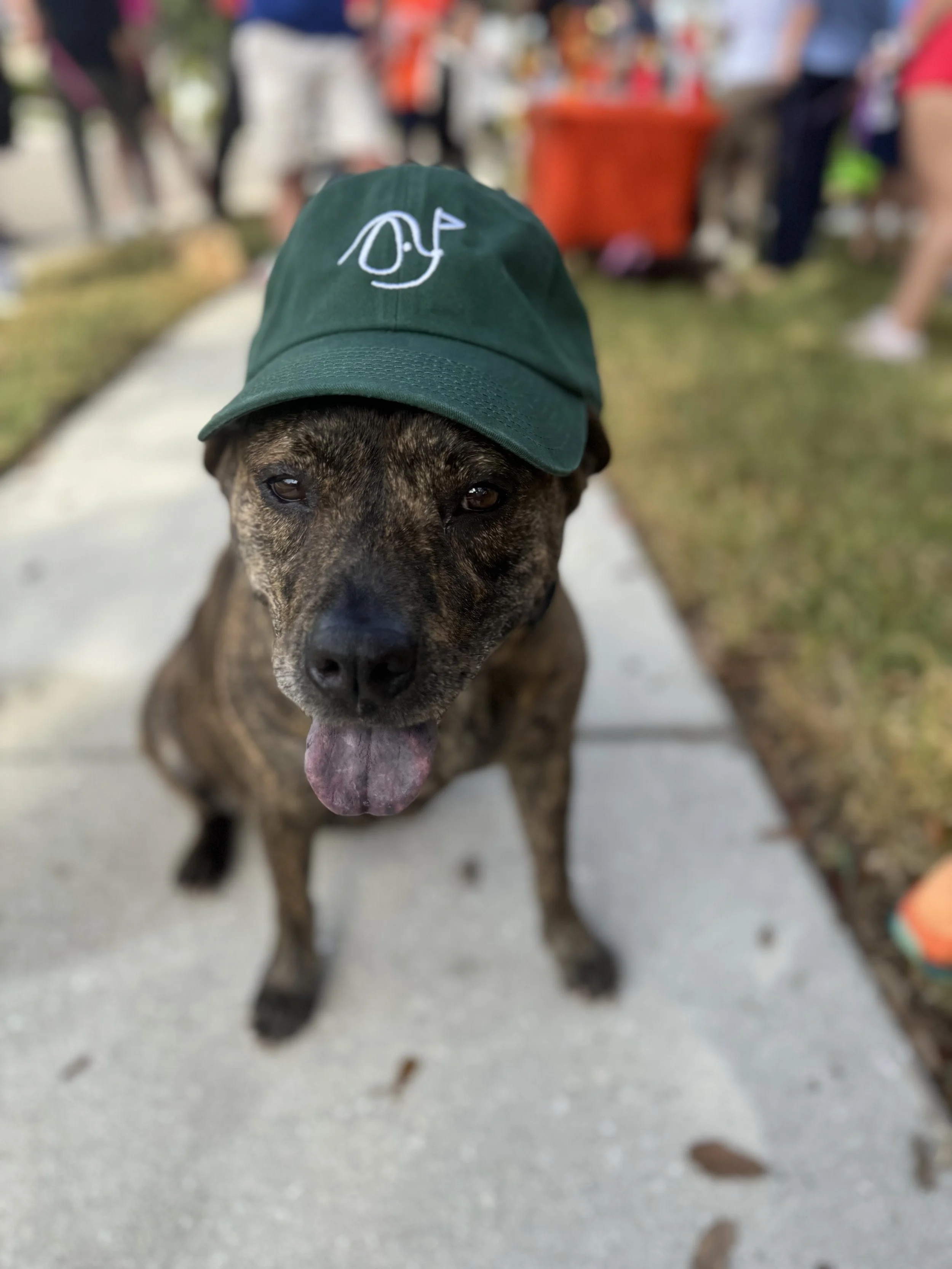
Dogs do better when life makes sense.
Try to keep things predictable:
Feed them around the same time each day
Play with them with the same toy and around the same time each day
Have a consistent walking routine and time
Give them a clear place to rest (crate or bed)
Be intentional about things like doorways and transitions
This isn’t about being strict, it’s about helping the dog understand what to expect. That alone can lower their stress quite a bit. This all can be done gently and respectfully.
Focus on the Walk
If you’re not sure where to start, start with the walk.
A good, structured walk helps with just about everything:
It builds trust
It burns off nervous energy
It helps the dog settle mentally
You don’t need perfection—just aim for a calmer walk where the dog isn’t pulling all over the place and is starting to pay attention to you.
That’s where a lot of progress happens.
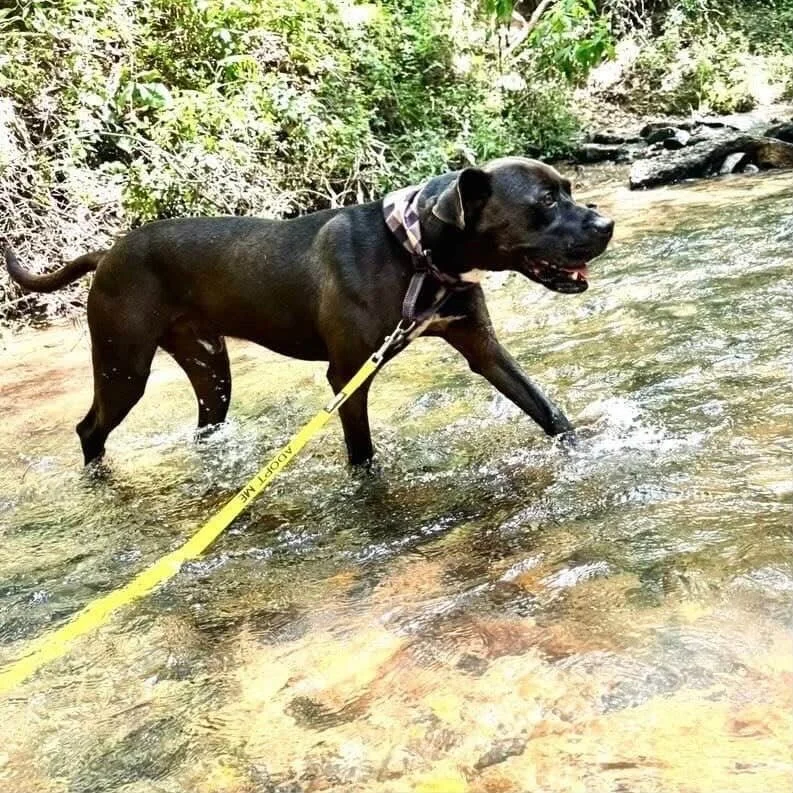
Don’t Force the Bond

Your foster dog will make mistakes—that’s part of the deal and it’s okay.
When it happens, try not to get frustrated or overly emotional. Just step in, interrupt what you don’t like, and guide them toward something better.
Dogs respond well to calm, consistent direction.
A lot of people try to connect with a foster dog right away through constant attention and affection.
But connection usually happens more naturally when there’s less pressure.
Spend time together, go for walks, let them relax near you. As they start to feel more comfortable, they’ll come to you on their own.
That kind of relationship tends to be much more solid.
Being Clear, Not Emotional

Set Them Up For Success
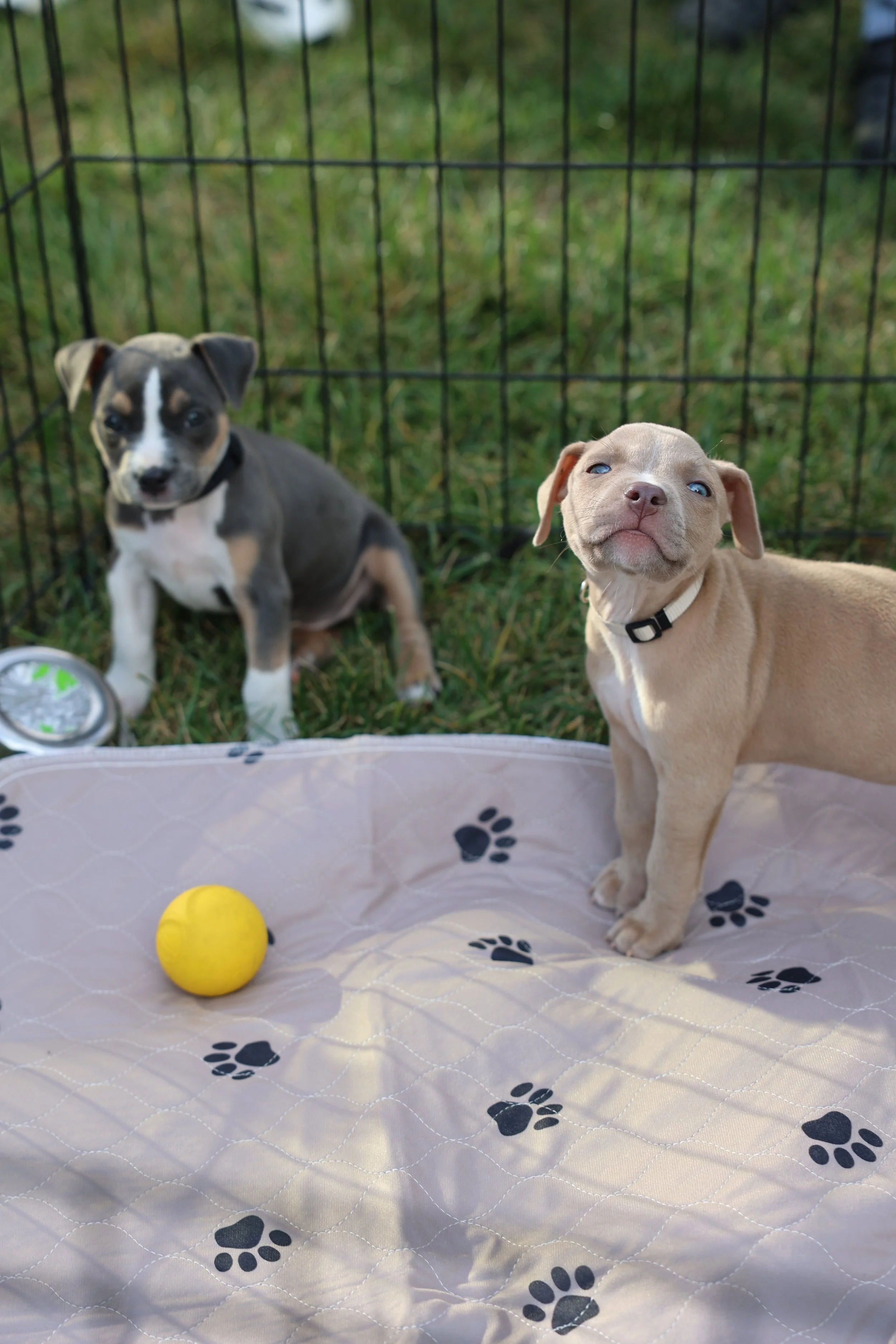
Part of fostering is helping the dog be ready for their next home.
That means not rushing into overwhelming situations right away. Keep things simple first and build from there.
A dog that can stay calm, settle, and respond to basic guidance is going to stand out a lot more than one that’s overexcited or chaotic.
Progress Over Perfection
Every dog is different.
Some will adjust quickly. Others take time.
Instead of looking for perfection, just look for small wins:
Are they a little more relaxed?
Are they starting to understand routines?
Are they checking in with you more?
That’s progress.
Final Thoughts
Fostering isn’t about doing a million things—it’s about doing a few important things consistently, especially in the beginning.
Stay calm. Add structure. Give clear directions.
If you can do that, you’re not just helping that dog in the moment—you’re setting them up for a much better future and a forever home.
Interested in fostering? Reach out to Puppies & Golf to learn how you can get started.
Ask our Expert
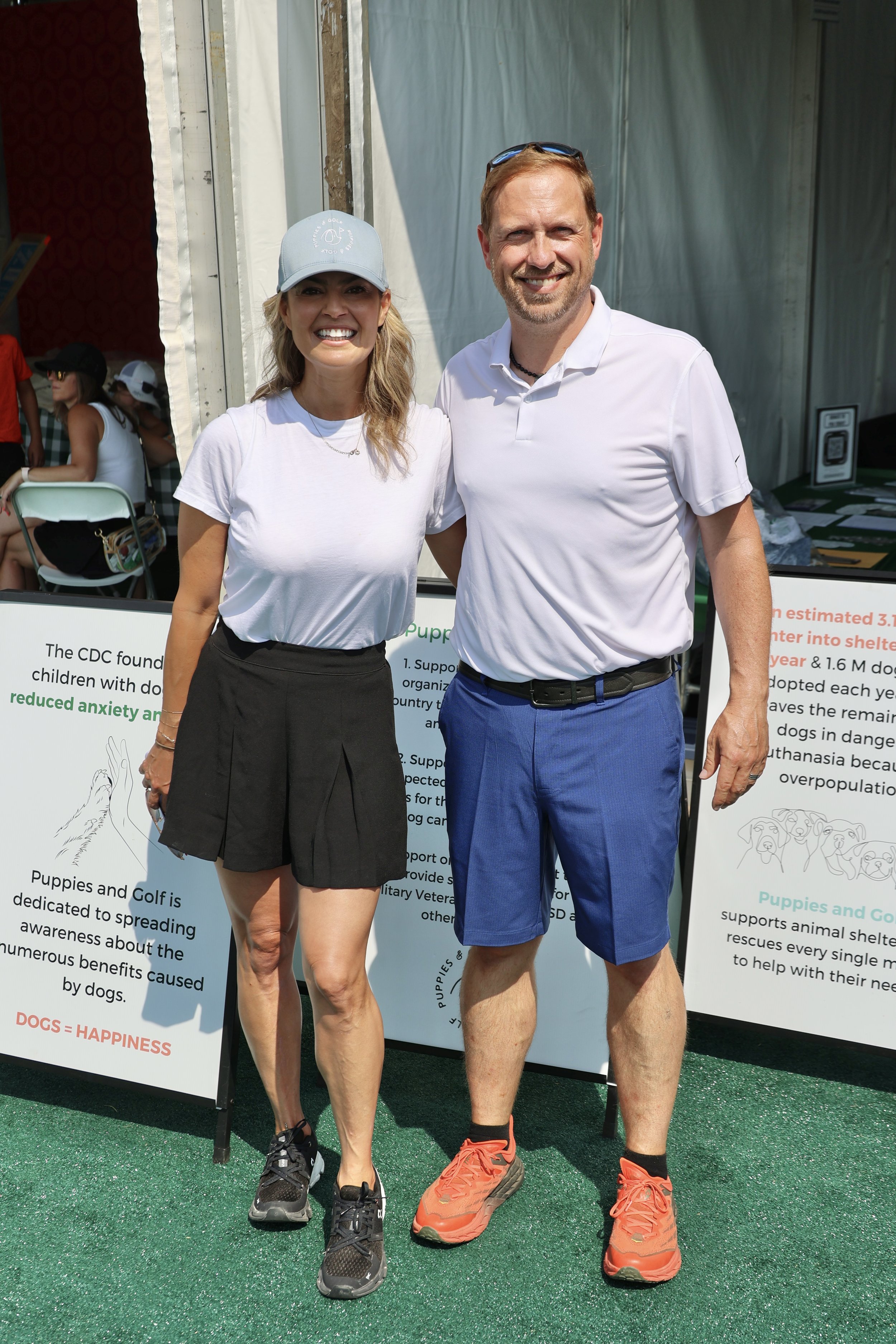
While we always encourage you to consult a veterinarian, we have our in-house dog trainer and Dog Behavior Specialist, Ian Grant! He is here to answer all your dog behavior questions!
Do you have a question you would like us to answer about your new rescue or foster dog?