

Expert Guidance
Learn, ask, and grow with support from trusted voices in dog care and wellness.





Ask our Expert
While we always encourage you to consult a veterinarian, we have our in-house dog trainer and Dog Behavior Specialist, Ian Grant! He is here to answer all your dog behavior questions!
Do you have a question you would like us to answer about your new rescue or foster dog?
Adopting a Dog - The First 90 Days
A Dog Psychology Approach with Dog Behavior Specialist Ian Grant
Bringing a new dog home is exciting - but it’s also a big adjustment for the dog. Even if they seem happy at first, everything in their world has just changed. New environment, new people, new expectations.
On average it takes about 90 days for a dog to truly settle into a new home. That doesn’t mean things will be chaotic for 90 days, it just means real comfort, trust, and consistency take time to build.
A helpful way to think about this is the 3-3-3 rule:
The First 3 Days
The First 3 Weeks
The First 3 Months
Each phase matters, and how you handle them can make a huge difference.

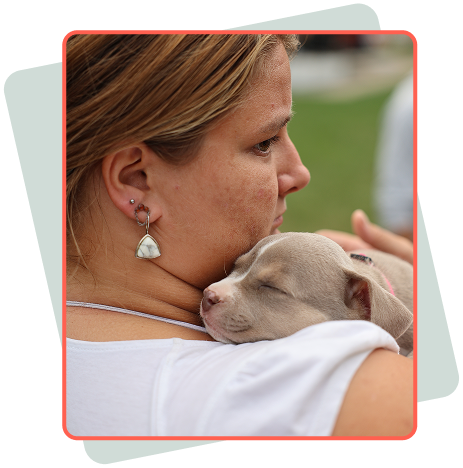
The First 3 Days
Let Them Land
The first few days aren’t about training, socializing, or doing a lot. They’re about helping the dog decompress.
Keep things simple:
Limit visitors and new environments
Give them a quiet place to rest
Keep your energy calm and steady
Start introducing basic routines
Some dogs may seem shut down. Others may seem overly excited. Either way, don’t read too much into behavior this early. The dog is still figuring out where they are and what’s expected. Your job here is simple: create a calm, predictable environment.
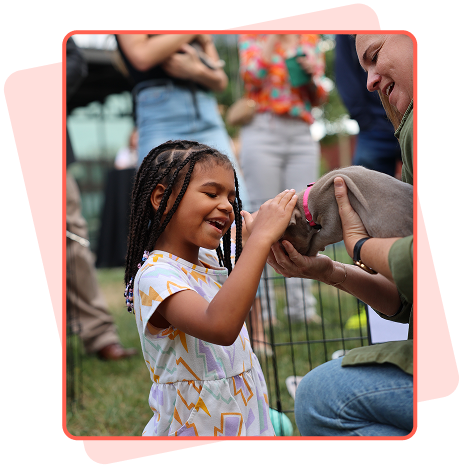
The First 3 Weeks
Build the Routine
This is where things start to take shape. The dog is becoming more aware of their surroundings, and you may start to see more personality—and sometimes more unwanted behavior too. This is normal.
Now is the time to focus on:
Consistent feeding and walking schedules
Structured walks
Clear boundaries in the home
Calm follow-through when addressing unwanted behaviors or you can redirect
The dog onto something else when they are doing something wrong. This phase is less about “teaching commands” and more about helping the dog understand how life works in your home. Dogs relax when things make sense.

The First 3 Months
Real Connection
By this point, the dog is starting to settle in. They’ve learned the rhythm of your home, they recognize patterns, and they’re beginning to trust you more consistently.
This is where you’ll notice:
Better responsiveness
A stronger connection between you and the dog
More relaxed behavior
Some dogs may seem shut down. Others may seem overly excited. Either way, don’t read too much into behavior this early. The dog is still figuring out where they are and what’s expected. Your job here is simple: create a calm, predictable environment.


Use Play with Purpose
Play is a great way to build a relationship—but how you use it matters. Instead of constantly rotating toys, pick one toy that you use when you’re actively playing with your dog. When playtime starts, bring that toy out and engage fully. When playtime ends, put it away
This helps your dog clearly understand:
When it’s time to be “on”
When it’s time to settle
It creates a more focused, meaningful type of play instead of constant, scattered stimulation. It’s completely fine to have other toys available for your dog throughout the day but that one toy becomes special, because it’s tied directly to interaction with you.


Focus on the Right Things
A lot of people jump straight into obedience or try to “fix” everything right away.
But what matters most in the first 90 days is:
Calm energy
Clear structure
Consistent guidance
Things like sit, down, and tricks can come later. Right now, you’re building the foundation of how the dog sees and experiences your home.


Expect Some Ups and Downs
Progress isn’t always linear.
A dog might seem great for a few days, then suddenly test boundaries or show new behaviors.
That doesn’t mean something is wrong, it usually means they’re getting more comfortable.
Stay consistent, don’t overreact, and keep guiding them in the right direction.
Final Thoughts
The first 90 days set the tone for everything that comes after.
If you stay patient, keep things structured, and focus on clarity over perfection, you’ll give your dog exactly what they need to settle in and succeed.
This isn’t about doing everything, it’s about doing the right things, consistently.